
Why Regular Stainless Steel Cleaning Extends Surface Life
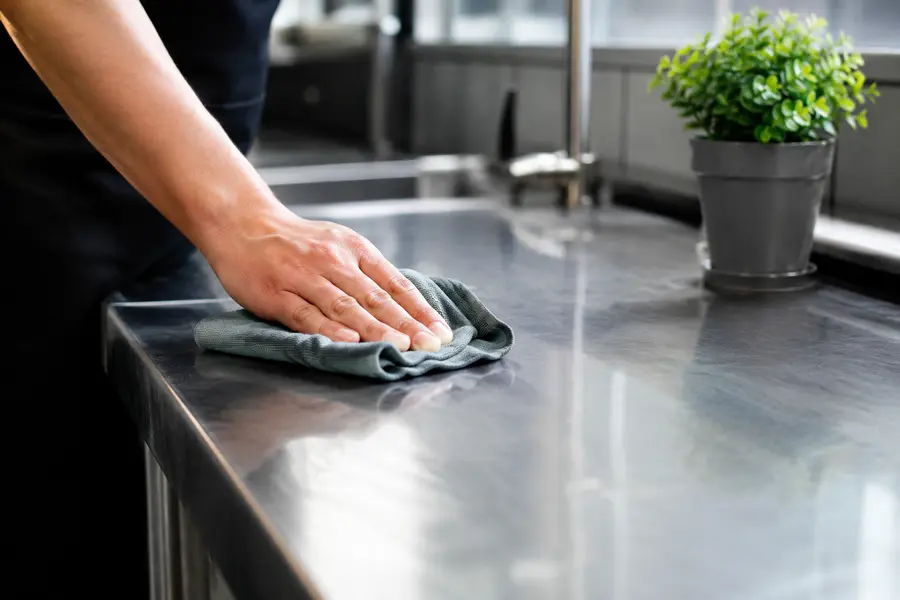
Stainless steel is now the go-to material for Australian household and commercial renovators. Modern look and performance: Stainless steel is found in kitchens and dining areas, outdoor entertainment areas, restaurants, business establishments, hospitals and industrial centres. Clean, rust-free, and generally better for maintenance are among the many reasons why people opt for stainless steel. Yet stainless steel, for all its toughness, isn’t maintenance-free. Constant moisture, fingerprints, greasy marks, food residues, dust and air pollutants will gradually change the look and functioning of the product. Besides, ignoring it can cause dulling, staining and even surface loss. That is why it is essential to get Regular Stainless Steel Cleaning To enhance the life of the surfaces. Routine inspections and maintenance will keep the protective layer of the material intact, which in turn will keep the material looking good and help you avoid costly repairs or replacement down the road.
Why Stainless Steel Still Needs Care
Even though the term stainless steel implies that it will not corrode or rust, in fact, its production methods also incorporate other metals, and the addition of chromium gives us a thin coating which provides an extremely strong barrier to rusting, etc., through oxidation from air. This unseen shield guards against rust, and the material can retain its gleaming finish. Yet this finishing layer may be compromised if contaminants are left on the surface too long. Water deposits, oils, particles of salt, residues of cleaning and even air pollution can deteriorate, ever so slowly, the ability of the metal to protect itself. And this is especially so in Australia, where stainless is frequently exposed to extra moisture and salt air at the coast or in bad weather. Stainless Steel Cleaning Professional removes contaminants such as these before they become difficult to remove and also prolongs the surface performance.
The Hidden Effects Of Surface Buildup
Build-up on surfaces is normally a slow process and so is easy to overlook initially. Fingerprints are nothing to worry about, and minor water marks don’t need immediate attention, but these day-to-day polluters can cause long-term problems. Grease and dirt may also retain moisture on the surface, and mineral deposits can lead to permanent staining if allowed to sit. Dust and fine particles also may cause micro scratches when wiping or with use. Surfaces become dull with the passing of time. There can be problems like uneven finishes, requiring more cleaning, and high restoration costs. Still, routine cleaning of stainless steel can be easily enough to prevent the buildup of such problems and to keep the material viable over the long term.
How Cleaning Protects Surface Life
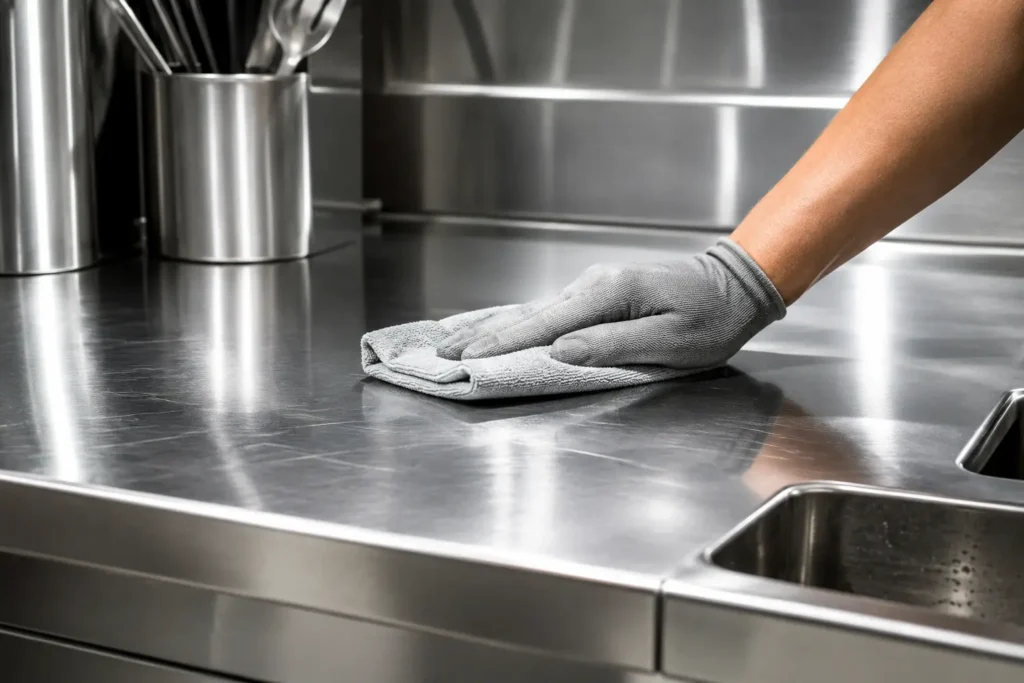
Cleaning regularly is not just a matter of appearance. A clean stainless steel surface helps in maintaining the steel’s physical strength. The regular elimination of dirt helps the protective chromium layer to work more effectively. This keeps the stainless steel solid. The protective chromium layer is more effective when the contaminants are removed regularly. This minimises the potential for rust, and it can no longer cause permanent staining or etching of the surface. Using expert stainless steel cleaning solutions further supports the protective layer by helping remove contaminants safely and effectively. Clean surfaces are also better at resisting later contamination. Well cared for stainless steel is cleaner and less greasy, and so easier and cheaper to maintain in the long run.
The table below summarises how regular maintenance supports surface longevity.
| Cleaning Practice | Long-Term Benefit |
| Removing grease regularly | Prevents residue buildup |
| Drying after cleaning | Reduces water spotting |
| Gentle wiping techniques | Minimises scratches |
| Routine maintenance | Extends surface lifespan |
| Appropriate products | Protects surface finish |
Stainless steel is equally at home indoors or out, and regular maintenance results in an enhanced appearance and reduced maintenance.
Choosing Suitable Cleaning Products
The products utilized at the time of maintenance can also have a major impact on the results. There are many ways that people can accidentally scratch their stainless steel without even realising it, for instance, by using strong cleaning products or abrasive cloths. The right Stainless Steel Cleaning Products are able to remove dirt, oil, and marks from stainless steel without damaging the finish. Good quality cleaners are made so that they can be applied and taken off without harming the surface or leaving residues. A cleaner that’s wonderful for tiled floors or general domestic work may not be the most suitable for stainless steel. Microfibre cloths are fantastic washing companions, as you can get dirt and grime off surfaces by scrubbing without scratching them. In fact, mild cleaners are generally much more efficient for day-to-day use than extremely toxic chemicals. The life of stainless steel can be shortened with continued use of powerful abrasive products by creating tiny distortions to the surface that become more visible as they trap more grime. It is always good to support both the look and long-term durability by careful selection of products.
Creating A Sustainable Cleaning Routine
Maintaining the good appearance of stainless steel is pretty simple, and one effective method is to keep it clean regularly instead of waiting until it looks so dirty that you need to do a thorough cleaning. A small amount of regular maintenance is always preferable to cleaning the whole thing once in a while. Countertops and Appliances: Areas like kitchen counters and appliances that get a lot of use should be cleaned regularly for the removal of fingerprints and moisture. Outdoor surfaces, according to exposure to the elements and the local climate, may call for special treatment. Besides that, commercial properties typically adhere to more stringent cleaning schedules, since the appearance and cleanliness matter a lot in how customers perceive them.
The following guide provides a practical approach.
| Surface Area | Suggested Frequency | Cleaning Goal |
| Kitchen appliances | Weekly | Maintain shine |
| Benchtops | Daily | Remove moisture and marks |
| Outdoor stainless steel | Fortnightly | Prevent environmental buildup |
| Commercial equipment | Daily | Support hygiene |
| Handrails | Weekly | Reduce visible fingerprints |
These schedules can be adjusted depending on usage and environmental exposure.
Correct Cleaning Methods Matter
Product choice is important, but so is the method of cleaning. Good Stainless Steel Cleaning begins with brushing away loose dust before using any cleaning products. This will minimise the possibility of pulling matter across the glass surface and causing scratches. When using a cleaning agent, relaxed wiping tends to be better than vigorous scrubbing. Almost all stainless steel has a grain pattern; cleaning along the grain of the metal will not only improve the cleaning result but also avert streaks. Wipe the surface dry after cleaning to deter water spots and to get a shinier finish. Moreover, while it may only take you a little time to clean off this coating, continued use will prolong the good condition of your item over many years of use.
Reducing Long-Term Maintenance Costs
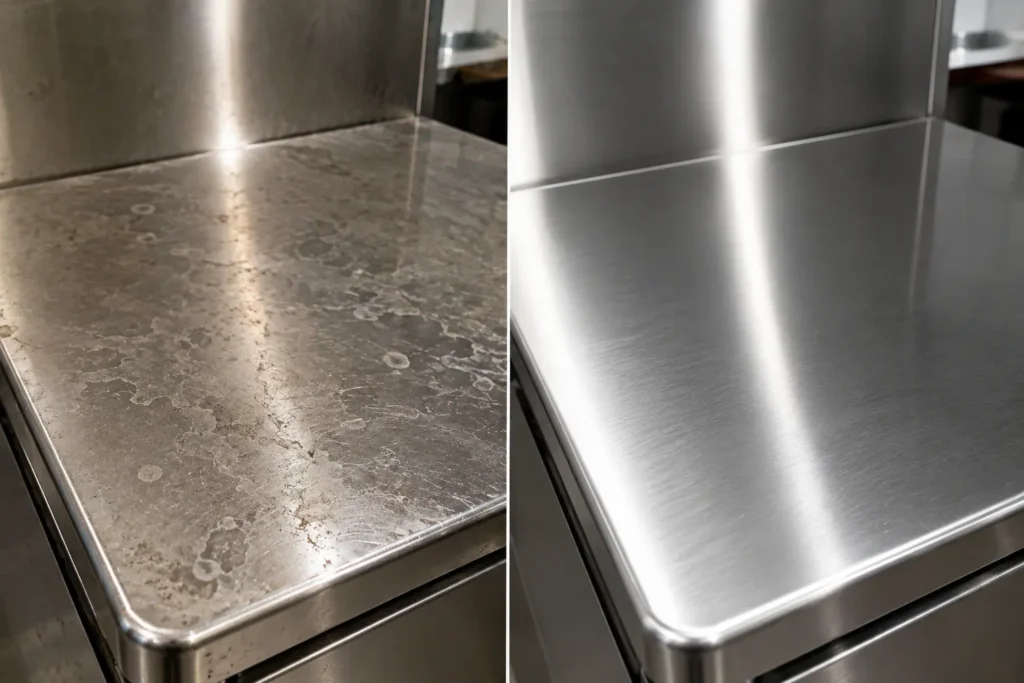
For some people, regular cleaning is just one more chore, but it’s the one that most often mitigates future costs. Replacing equipment that has become faulty, changing worktops that have turned dirty or doing a thorough cleaning of heavily used stainless steel are really pricey if compared to the cheap and easy ways to give them a new life. Cleaning stainless steel regularly is a good way to prevent its deterioration and lengthen the life of the fixtures, appliances, and fittings. On top of that, it can also beautify them and give a more corporate look that is usually a plus for the business owners. For the homeowner, a clean and well-maintained stainless steel component area makes for a cleaner, more visually appealing home. Good maintenance: Good preventative maintenance habitually pays off in the long run for both the cosmetic and economic life of the property.
Conclusion
Among the strongest and most visually appealing surface materials still in use today is stainless steel, though its performance over a long period of time greatly depends on continuous care and maintenance. Unattended grime, water, oil and other environmental contaminants can not only make the stainless steel unattractive but also undermine the surface protection. Consistent cleaning of stainless steel helps in retaining the protective layer that makes stainless steel quite resilient. It is also a measure of good hygiene; it makes the surface look better, minimises the chances of having to replace the metal prematurely and reduces the cost of maintenance. Equipped with the proper cleaning agents for Stainless Steel and a simple cleansing routine, households and restaurants in Australia can extend the lifetime of their stainless steel surfaces and keep enjoying the clean, shiny appearance of stainless steel. When evaluating professional cleaning techniques for different surfaces, it is also helpful to explore hot water extraction vs dry cleaning which is better? to better understand the most suitable maintenance methods for specific cleaning needs.
Related Posts
Quick Tips for Cleaning Skirting Boards Effortlessly
Quick Tips for Cleaning Skirting Boards Effortlessly Have you ever stared up and down and…
Effective Ways to Remove Grease Stains from Various Surfaces
Smart Ways to Remove Grease Stains Easily Have you ever had one of those stain…
Hot Water Extraction vs Dry Cleaning — Which Is Better?
Do your carpets even seem to be getting a little dull despite regular vacuuming and…