Hot Water Extraction vs Dry Cleaning — Which Is Better?
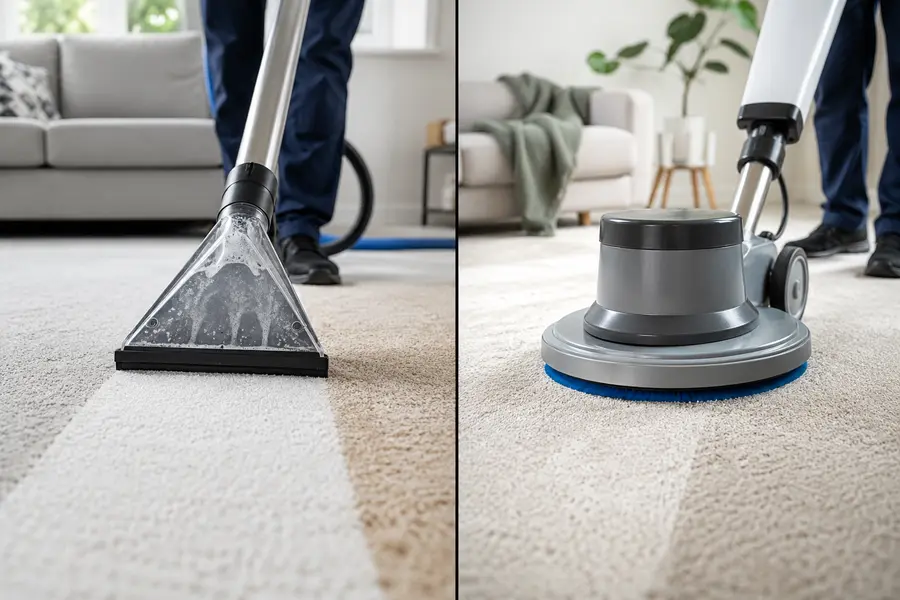
Do your carpets even seem to be getting a little dull despite regular vacuuming and check-ups? Many people remain clueless as to which cleaning option they should choose, whether they want the cleaning to be deep or quicker drying. First of all, be familiar with the capabilities of each carpet cleaning method and also which carpet fibres and indoor environment will be given priority. The two most common methods are hot water extraction and dry cleaning. These two ways are efficient at cleaning but are only really suited to specific situations and carpets.
1. Understanding Cleaning Methods
Most times, how you clean a carpet ties back to what it is made of, just how dirty it has become. Drying speed matters too, alongside what the person using it actually wants. There isn’t one single method that fits every case, yet experts tend to point toward specific cleaners or steps based on individual problems. Picking poorly? Smells might linger, stubborn marks resist removal, while material breaks down quicker than expected. Yet looking at hot water extraction compared to dry cleaning gives homeowners a clear view into how effective a carpet treatment really is. Suddenly, maintaining floors gets easier over years, whether in homes or offices.
2. What does Extraction Cleaning mean?
Steam carpet cleaning is the same as hot water extraction in most cases. This process sprays heated water under pressure into the carpet fibres with commercial cleaning machinery. The machine agitates dirt, allergens, bacteria and trapped debris under the surface of the carpet. The dirty water is then fully extracted from the carpet using high suction. Professional hot water extraction cleaning cleans deeply and enhances the freshness of your carpet more than everyday vacuuming at home.
3. How Dry Cleaning Works?
Dry carpet cleaning is a natural, non-toxic method of cleaning that uses a fraction of the water of other cleaning methods with cleaning agents that are safe for fast and convenient carpet maintenance. Cleaning solutions or powders are also applied directly on the carpet fibre during treatment, cautiously. Machines also agitate the products deeply into the fibres to break up dirt and contaminants, though to varying degrees. Powerful vacuums then extract the residue, along with any trapped debris, thoroughly. The majority of companies opt for low-moisture carpet cleaning since the carpets dry faster and the cleaning process interferes least with business hours.
4. Comparing Cleaning Performance
Pretreatment and cleaning involve both products penetrating the soiling; both are effective, but the depth of cleaning varies greatly depending on carpet condition and level of soiling. Hot water extraction is able to go deeper into the fibres, and it is more effective in getting rid of tough dirt than dry cleaning. Besides getting rid of the allergens, bacteria, pet odours, and dust mites that are hidden under carpet surfaces, it also cleans the air that we breathe. Dry cleaning successfully addresses surface dirt and light stains on a maintenance clean. Heavily soiled carpets invariably get the most benefit from professional hot water extraction treatments regularly. It is also important to note that DIY cleaning cannot match the deep effectiveness of expert care, which is why many choose professional carpet washing as it safely removes deep dirt while maintaining carpet quality, colour, and long-term value.
5. Drying Time Differences Matter
Hours pass before damp fibres release moisture following steam-based washing. Yet dry techniques leave surfaces ready faster because they skip soaking steps altogether.Good air flow and ventilation reduce moisture and speed drying significantly following professional cleaning visits. Low moisture carpet cleaning dries considerably faster, as much smaller amounts of water go into the treatment of carpet fibres. Drying time is often favoured by businesses to minimise disruption to operations.
6. Best Option For Homes
Hot water extraction cleaners tend to be more beneficial to households with children or pets since their carpets are more heavily soiled daily. Several times, pet messes, food spillages, allergens and muddy paw prints find their way inside the carpet fibres. Hot water extraction eradicates bacteria and bad odours much more effectively than any of the dry carpet cleaning methods. Besides, it improves the quality of indoor air, making it possible for families to live in a cooler and healthier environment. Home carpet that receives a deep cleaning regularly is generally more heavily soiled than lightly used commercial carpets across facilities.
7. Suitable Choice For Offices
Commercial entities tend to opt for low-moisture carpet cleaning due to the fact that they are unable to accommodate lengthy carpet drying periods following cleaning. Offices, stores, and hotels all have carpets that must be ready quickly, so they can operate normally without interruption or concern for the safety of their customers. Dry cleaning carpets brings staff and customers back onto carpets sooner after treatments have successfully concluded. It also dramatically reduces the hazards of getting wet carpets in busy locations. A lot of commercial properties perform their regular dry clean maintenance from week to week without breaking a sweat.
8. Removing Stains And Odours
Substantial dirt and odour require stronger carpet cleaning techniques to be eliminated and to maintain a fresh environment for a long period of time. Hot water extraction is capable of removing deeply set stains, which could be from the pet food, drink, or heavy foot traffic. Heated water melts dirt, whereas bacteria that are deeply embedded in carpet fibres are removed thoroughly through professional cleaning. Dry cleaning can temporarily enhance surface stains, though it sometimes can leave residue underneath carpets. Lasting odours also tend to necessitate extract cleaning to achieve a clean result.
9. Impact On Carpet Fibres
The cleaning of carpets by professionals. Carpet treatments are an excellent occasion for removing dirt spots, allergens, and bad odours while the fibres are still protected. If the proper pressure, top-notch cleaning chemicals and materials are used, hot water extraction is generally considered a safe method for carpet cleaning. Knowledgeable housekeepers stay away from over-wetting and shield fragile fibres of carpet or area rug during each service. Using reduced moisture to clean a carpet will also help in protecting the fibres since there is less amount of water to which carpets are exposed during the process. Even a regularly cleaned carpet at home may be in need of professional treatment once in a while, as it can make a huge difference in the look and the longevity of the carpet.
10. Cost And Value Factors
Drilling down on the cost is helpful, but you should know that prices constantly vary based on region, company, and whether you are a new or a repeat customer. Actually, dry cleaning might seem less expensive initially because the processes are much quicker, and you don’t need to operate as many machines during your sessions. Though hot water extraction usually gives a more detailed cleaning and makes the carpets appear fresh even after a longer duration of time, Most of all the indoor residential and commercial ones. Thorough cleaning will not only reduce the frequency of regular maintenance but also improve the overall appearance of the carpet. Long-term value is usually a matter of carpet traffic and the cleaning regime.
11. Environmental Cleaning Considerations
Now, many homeowners prefer green carpet cleaning services that minimise the use of chemicals and are safe for the indoor air quality. Hot water extraction uses less harsh chemicals thanks to the cleaning power of heated water during professional treatments. Detergents based on plants, not tested on animals and safe for the environment, provide an extra layer of safety with their mild formulas suitable for children, pets and individuals sensitive to ingredients, at home and at work. On top of that, low-moisture carpet cleaning is simply beneficial to the environment as it uses less water during the usual cleaning operations. If green cleaning agents are used, obviously, it will help in making the indoor environments healthier and at the same time carpet cleaning will be more efficient.
Which Method Is Better?
The appropriate cleaning method is determined by the condition of the carpet, the levels of usage, the drying requirements and the expectations of the customer for the result of the cleaning. Hot water extraction is ideal for heavily soiled carpets on which deep sanitisation and stain removal are needed more often in residential properties. Dry Cleaning is ideal for maintenance, cleaning, and commercial areas with minimal disruption and quicker carpet dry times post treatment. Hot water extraction vs dry cleaning is an informative comparison which allows customers to make an informed decision on the best option to choose to care for their carpets. Professional advice guarantees a correctly treated carpet for long-lasting cleanliness. For better understanding of maintaining a clean and stress-free home environment, read also how to clean your house without being stressed?
Related Posts

The Simple Home Cleaning Guide: Checklist, Tools & Timing
Ultimate Home Cleaning Guide: Easy & Effective Tips Have you ever looked at a cluttered…
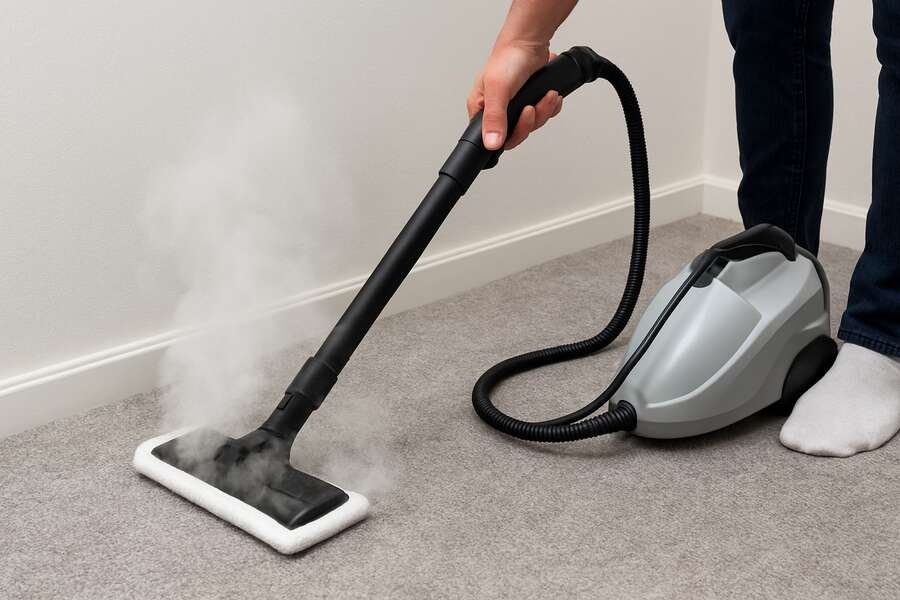
Superior Directions to Suitably Steam Clean Your Property
Have you ever looked at your floors, carpets or furniture and wondered, there must be…
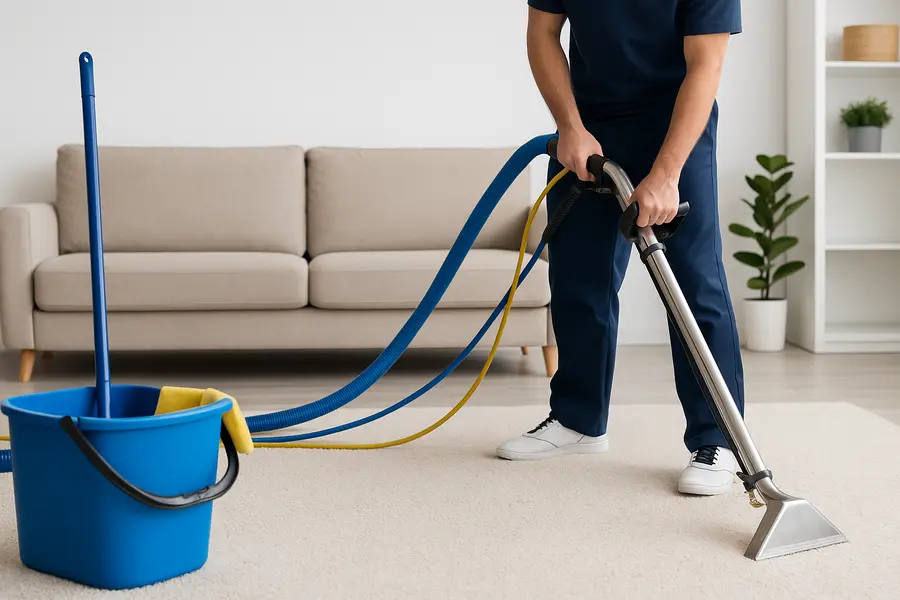
Choosing the Right Cleaning Method for Your Carpet Type
Carpet Cleaning Guide: Best Methods for Every Carpet Type Have you ever wondered why your…