
The Best Ways to Maintain and Clean Engineered Wood Floors
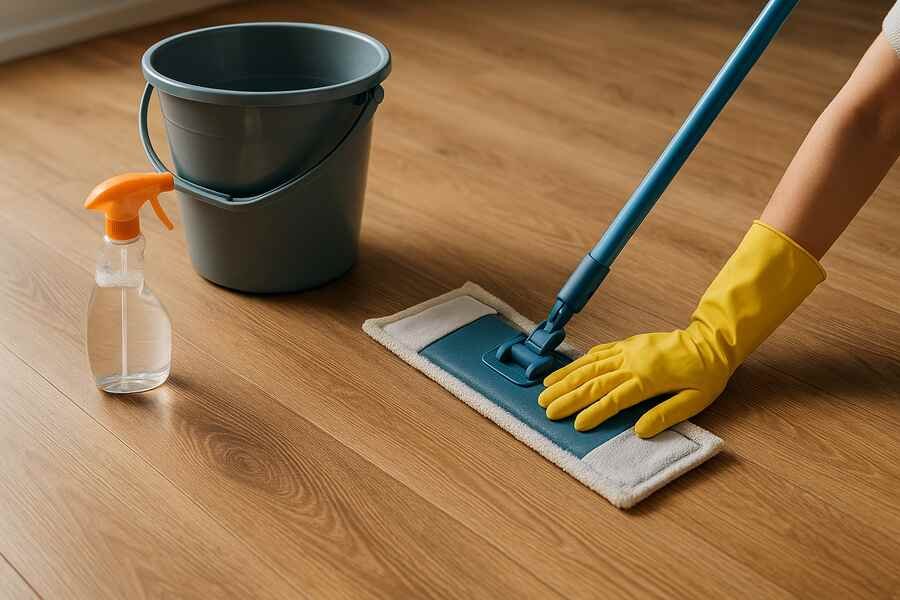
Engineered Wood Floors: Best Cleaning & Care Tips
When you gaze upon your crafted-wood floor, marvelling at how stunning they are, have you ever questioned yourself– How do I maintain this floor so that I can still see it in this magnificent condition in the future? Or you may have wondered about mopping them and whether it is possible to mop like you do regular floors, or whether this will destroy the finish. You are not the only one! This is because engineered wood floors are frequently sought. After all, they give an elegant finish and durability, although they require some care and attention to remain in good condition.
Be it those muddy footprints, daily dirt, or that coffee spill you accidentally caused, this guide will teach you all you need to know about having a good and clean floor. Whether it is suggestions on delicate maintenance by straightforward cleaning advice, or physically trying to keep them safe by adopting a habit of protecting their lifespan, we are out to keep your soft, shiny appearance unchanged and fresh throughout the coming years. So, get your cleaning equipment and give your engineered wood some affection!
How Should Your Engineered Wood Floors Be Maintained And Cleaned?
Like every other good thing, wood flooring must be handled. In either case, whether you just laid new floors or are interested in keeping them clean before an end of lease inspection, taking care of them should be the priority. This blog will offer viable cleaning and maintenance tips for engineered wood floors. When you employ a professional Bond cleaning Marchydore with experience in Bond cleaning, you will be surprised at how they will clean the floors. They keep such surfaces in top shape using proven methods, a strategy you can also use back home.
1. Sweep and Vacuum: That to Be Done of the Day
Regular sweeping or vacuuming is the most usual way to maintain engineered wood floors unscathed and clean. Dust, sand, pet hair, and particles may form grit in your shoe and obscure and remove the protective shine. This is why an infrequent, thorough cleaning can significantly help in the long term by having a quick sweep each day or every couple of days.
You may operate a soft-bristle broom or a vacuum cleaner on a hard floor setting; however, avoid a beater bar. Use corners, areas under furniture and highly trafficked areas, like the kitchen or surface near the front door. The floors will appear clean, but you will be awed by the size of the dust deposits. This habit assists in allaying accumulation and aids in mopping at a later stage.
2. Wet Mop, Not a Saturating Wet
wipes the cleaner mops the floor in the kitchen
There is a certain amount of moisture engineered wood can withstand; however, excessive water is nonetheless an issue. Hence, the golden rule is damp mopping as opposed to wet mopping. Apply a microfibre mop with slightly damp pH-neutral cleaner specially designed for wood floors. Severe agents or acidic products such as ammonia or bleach must be avoided at all costs since this may eliminate the finish or even remove the surface layer.
The DIY alternative also applies, which is squeezing a few drops of dish soap into a bucket of warm water. After mopping the surface, use a dry cloth or towel to mop off the surface to take away the excess moisture. This method is effective in cleaning and makes the formation of streaks or water spots impossible.
3. Keep them off your Floors with the Scuffs and Scratches
Although it may seem that scratches are not that bad, they are very harmful as they can reveal inner layers of your engineered wood floor. Some common-sense measures will do the trick. Place felt pads on the legs of tables, chairs, and sofas, and they will not be scratched when transported. To minimise wear, runners or place rugs should also be present in high-traffic areas, e.g., the hallways or the living room. High heels or cleats, as well as heavy shoes, should be avoided inside. Keep your canine/feline manicured so that it does not leave scratches by accident, and move the furniture around regularly to prevent any marks left for good.
4. Address Spills immediately
Accidents are bound to occur, but soon, a clean-up is necessary. Although engineered wood is water-resistant compared to solid hardwood, stagnant liquids can lead to warping and stains. Spills Blot at once with a soft cloth–never rub. In case of a sticky mess, the area is cleaned with a wet cloth and some mild soap and then dried. Steam mops should also be avoided as they will damage the floor’s structural integrity and adhesive qualities.
5. Check humidity and temperature.
The engineered wood is resistant, but on the other hand, it is sensitive to environmental changes. At relatively cool places with varying climates, where temperatures range between 6 and to 25’C, maintain a humidity level of 30 to 50% indoors with a dehumidifier during summer and in winter with a humidifier. Many bond cleaning experts advise this when treating wooden surfaces, particularly in preparation for inspection.
6. Revitalise using Floor Refreshers
Clean dirty floors with wood compatible with engineered wood, such as refreshers or polishes. Use a microfiber pad; you should test in a small area. They are environment-friendly products that restore lustre and may be used in high-quality bond cleaning services in Marchydore areas.
Wrapping Up
Taking care of an engineered wood floor need not be this tiresome exercise; it is simply a question of sticking with it and a little experience. Whether it is a daily sweeping and dry mopping or the best protection you put on your floors against scratches and keeping indoor moisture low, all these will contribute to controlling the performance and beauty of your floors in the long term. Not much effort or technique is required to get many pleasant years of cosy living with beautiful home furnishings and engineered wood floors.
Related Posts
A Spotless Home with 5 Golden Rules for Smart Cleaning
5 Golden Rules of Smart Cleaning for a Spotless Home Have you ever been in…
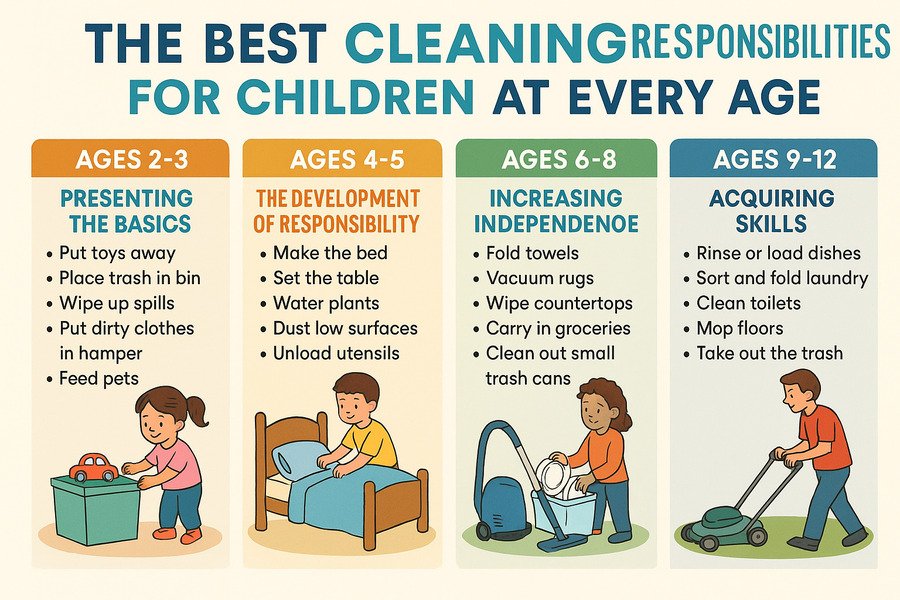
The Best Cleaning Responsibilities for Children at Every Age
Cleaning Responsibilities for Kids at Every Age Have you ever thought too early is teaching…

The Benefits of Cleaning with Microfiber Towels
The Benefits of Cleaning with Microfiber Towels Are you still cleaning using old T-shirts, paper…